
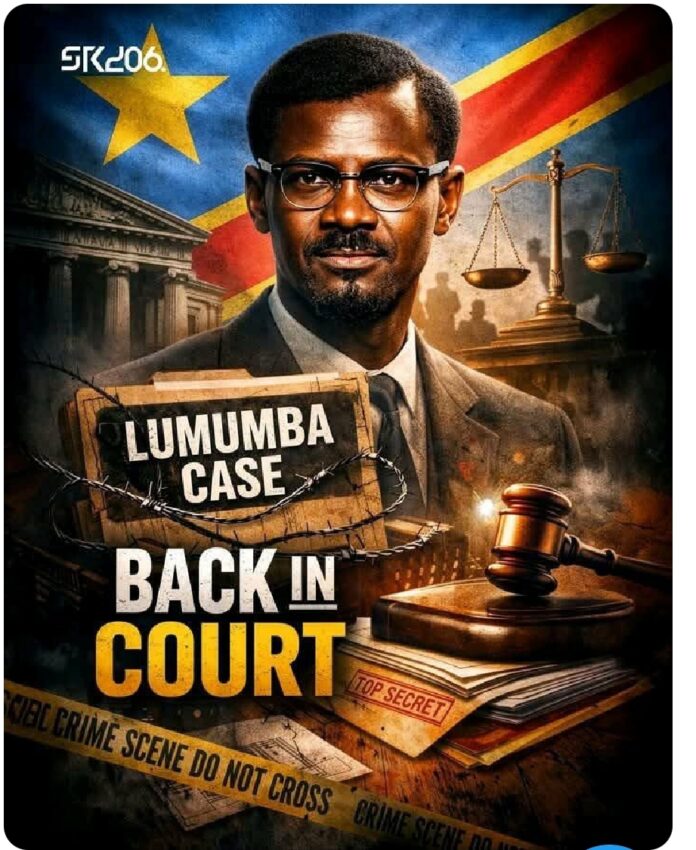

More than 60 years after the assassination of Patrice Émery Lumumba, Congo’s first democratically elected prime minister, Belgium is once again confronting one of the darkest chapters of its colonial history.
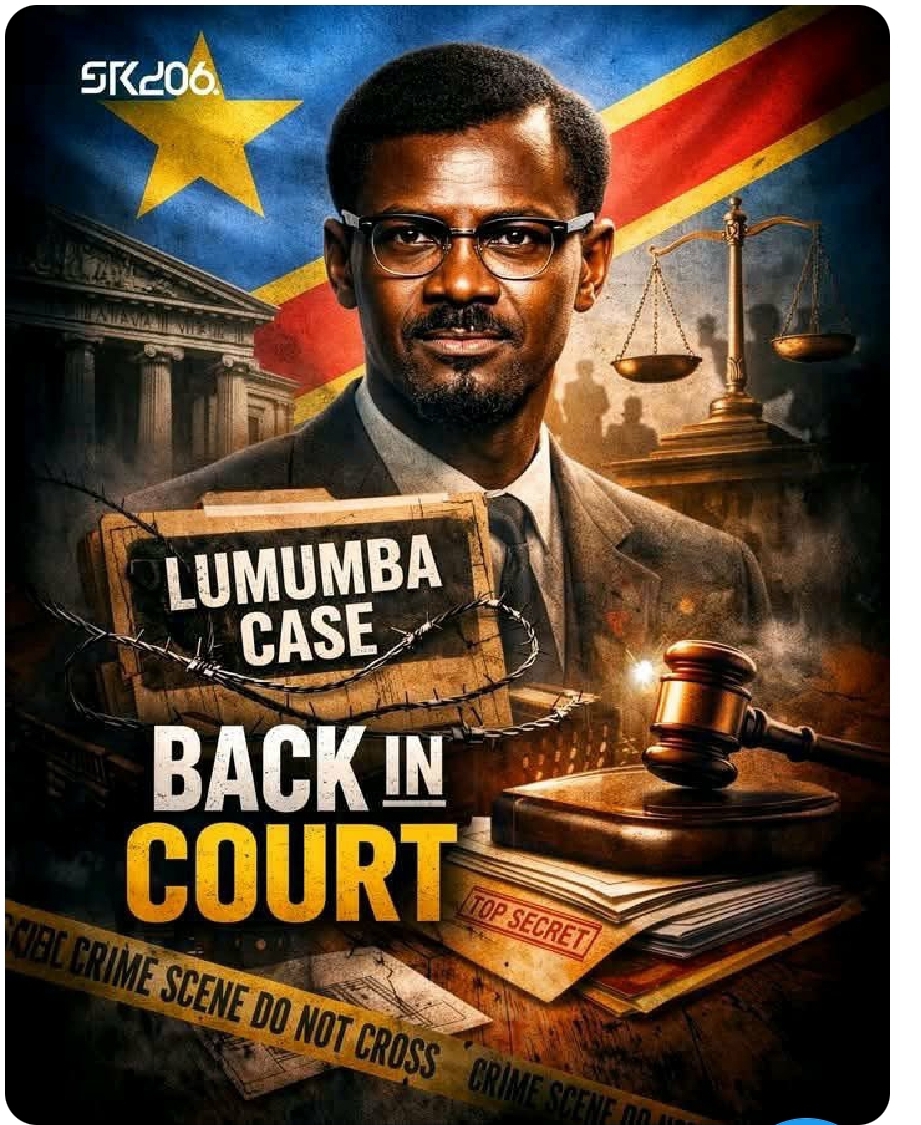
Lumumba was overthrown, imprisoned, tortured, and executed in 1961, with his body later destroyed to erase evidence of the crime.
His killing became a powerful symbol of Cold War politics and violent foreign interference in post-independence Africa.
For decades, accountability was avoided, buried under political silence and legal delays.
Today, that silence is being challenged. With one alleged accomplice still alive, Belgian authorities are reopening the case, reviving long-standing demands for justice from the Lumumba family.
Their call is not only for legal responsibility, but for moral reckoning.
This moment goes beyond a single courtroom.
It raises a profound question for Belgium and the world: can justice still be served when history has waited this long—or does time itself excuse impunity?